Cancer outcomes in Ireland show sustained improvement across three decades, according to new NCRI Report
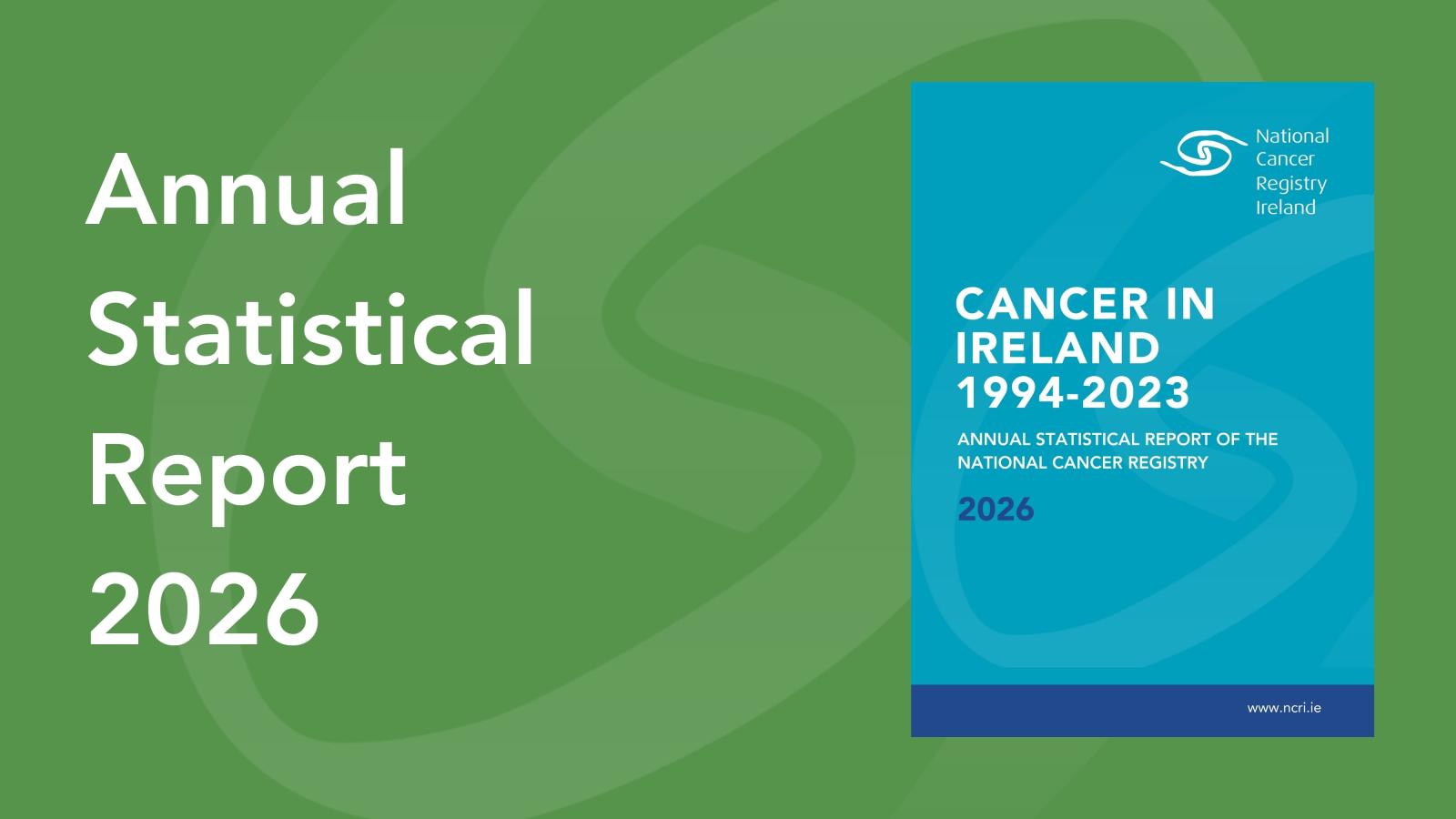
- More than 30 years of NCRI data show sustained improvements in cancer survival and reduced mortality
- Improvements reflect progress in earlier diagnosis, and significant advances in treatment
- Survival rates for some cancers can be as high as 95% five years after diagnosis
- Rising baseline numbers are mostly a factor of a growing and ageing population - not a significant increase in population risk
- NCRI data, the definitive data on all cancers in Ireland, helps to improve cancer care and outcomes
Sept 1st 2026: There has been a sustained improvement in cancer outcomes in Ireland over the last 30 years. Death rates have declined, and survival rates across many cancer types have improved.
A new report from the National Cancer Registry of Ireland (NCRI), Cancer in Ireland 1994–2023, provides the most comprehensive analysis to date of long-term trends in incidence, mortality and survival. One of the leading cancer Registries in Europe, NCRI’s authoritative and validated data are used to help improve cancer care and outcomes in Ireland.
Speaking at the launch of the report, Dr Theresa Redaniel, Acting Director at NCRI said that the findings point to measurable and encouraging progress in cancer control:
“The overall picture from this report is a positive one. The likelihood of dying from cancer in Ireland is decreasing and survival rates are improving across many cancer types. These sustained improvements reflect progress in earlier diagnosis, and significant advances in treatments. This progress means that more people are now living with and beyond cancer than ever before.”
Encouragingly, survival has improved across all cancer types, even for cancers that remain challenging to treat. Overall five-year survival for invasive cancers increased from 50% for people diagnosed in the five year period 1999 –2003 to 66% for those diagnosed twenty years later in 2019-2023.
“Twenty years ago, only half of patients diagnosed could expect to be alive five years after diagnosis. Today, two-thirds can, with survival for some cancers as high as 95%. That is a significant change and highlights again the advances we have made in prevention and earlier diagnosis,” Dr Redaniel said.
Relative to other EU member states, Ireland has low death rates for cancers linked to early diagnosis, such as cervical and colorectal cancers. Improvements have also been observed in cancers where treatment modalities have vastly improved, such as multiple myeloma and prostate cancer. We compare favourably with other European countries, with cancer mortality among people under 75 years of age 11% lower than the EU average. For a small number of cancers, particularly oesophageal and ovarian, rates remain higher than the EU average – but trends in Ireland show that mortality rates are falling for these cancers.
Dr Redaniel emphasised the importance of maintaining Ireland’s progress on cancer, and the importance of high-quality national cancer data:
“These results show what can be achieved through sustained development in cancer care—but they also highlight where more work is needed. Continued investment in early detection, treatment and survivorship services will be essential to sustain progress and address cancers where outcomes are not improving. High-quality national cancer data are essential to understanding these trends and guiding action.”
While cancer remains the leading cause of death in Ireland, accounting for almost 30% of all deaths, - sustained reductions in cancer mortality are a key feature of the report. Between 1994 and 2023, death rates declined in both men and women.
The total number of cancer diagnoses and deaths continues to rise in Ireland; this increase, however, is largely explained by demographic change rather than any increase in risk, and the figure can sometimes be mis-interpreted. During the period of this report the population grew from 3.6M in 1994 to 5.3M in 2023, with a significant increase in the share of the population over 65. NCRI analysis shows that, after adjusting for age and population size, cancer incidence rates have declined in both men and women.
“It’s important to understand what’s behind the rising numbers,” Dr Redaniel said. “Much of this increase reflects growth in overall population, and an ageing population - not a higher individual risk of developing cancer. While more people are being diagnosed with cancer as our population grows and ages, the likelihood of dying from cancer is decreasing, and survival is improving across many cancer types.”
This report comes as the current National Cancer Strategy 2017 - 2026 concludes and will inform the discussion on how we can build on progress. Cancer still touches the lives of many people and our role at the National Cancer Registry Ireland is to ensure high-quality national cancer data that are essential to understanding trends and guiding action.
Share this page